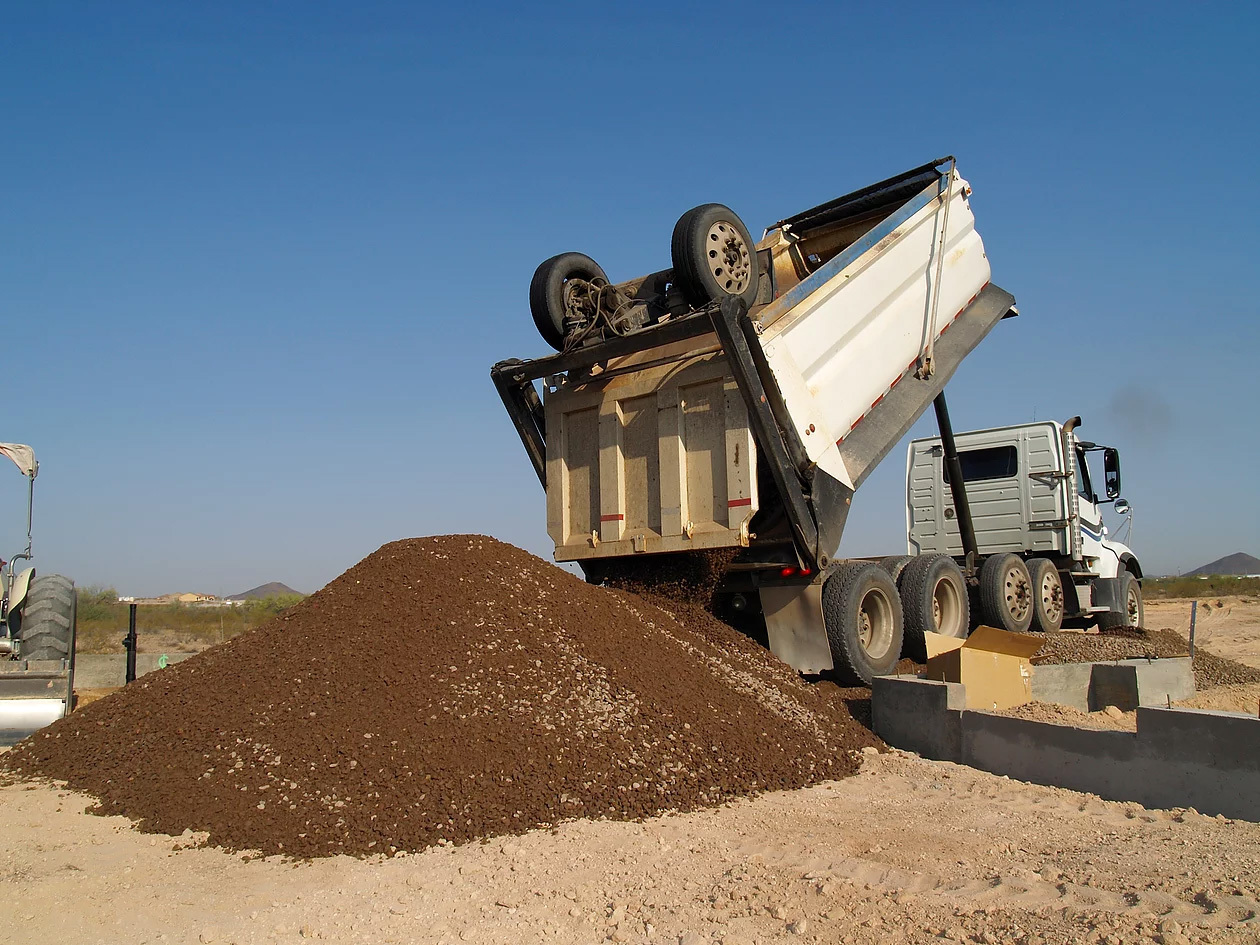





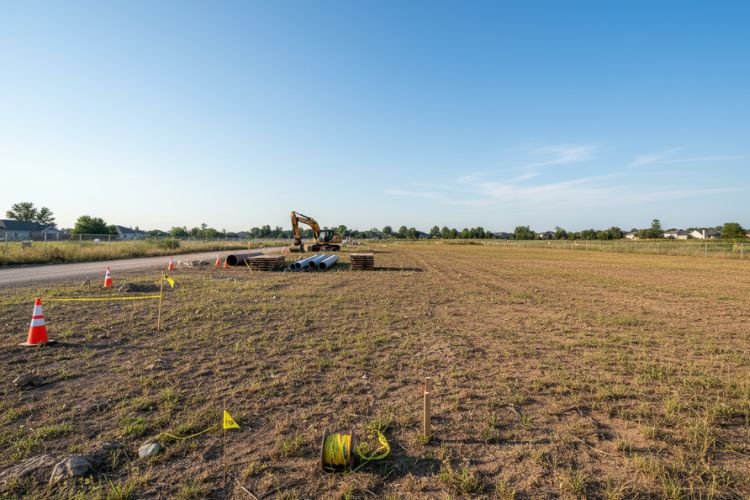
A concrete pour is the process of placing fresh concrete into a prepared area so it can set, cure, and become a solid structure. While pouring concrete may look straightforward, the real work happens before the concrete ever arrives on-site.
Poor preparation leads to common problems like cracking, sinking, uneven surfaces, and drainage issues. These problems don’t show up right away, but they almost always appear over time. That’s why preparation matters just as much as the pour itself.
In this guide, you’ll learn exactly how professionals prepare a site, step by step. We’ll cover what to check, what to fix, and how each preparation stage contributes to a strong, long-lasting concrete pour.
Evaluating the Construction Site Conditions Before Any Groundwork Begins
Before starting any concrete work, it’s important to fully understand the site. Soil types vary, and some can easily support heavy loads while others may shift or retain water, which can cause problems over time. Proper drainage is essential. Areas where water tends to collect can lead to erosion and damage the slab if not addressed. Ensuring water flows away from the site helps maintain the stability of the concrete. Carefully evaluating the soil and drainage at the beginning makes the rest of the concrete pour much smoother and ensures long-term durability.
You also need to check the slope, elevation, and nearby structures. Buildings, trees, and retaining walls can affect load distribution. Skipping this evaluation often leads to long-term structural issues that could have been avoided with early planning.
Clearing and Cleaning the Site to Create a Stable Work Area
Once the site evaluation is complete, the area must be fully cleared. This includes removing grass, roots, rocks, debris, and any organic material. These materials weaken the base because they break down or shift over time.
Soft spots in the soil also need attention. Leaving loose areas untouched creates weak points under the concrete. Over time, those spots settle, causing cracks or uneven surfaces.
A clean, firm work area gives the concrete a reliable foundation. This step may seem basic, but it plays a major role in long-term durability.
Preparing the Ground to the Correct Depth and Dimensions
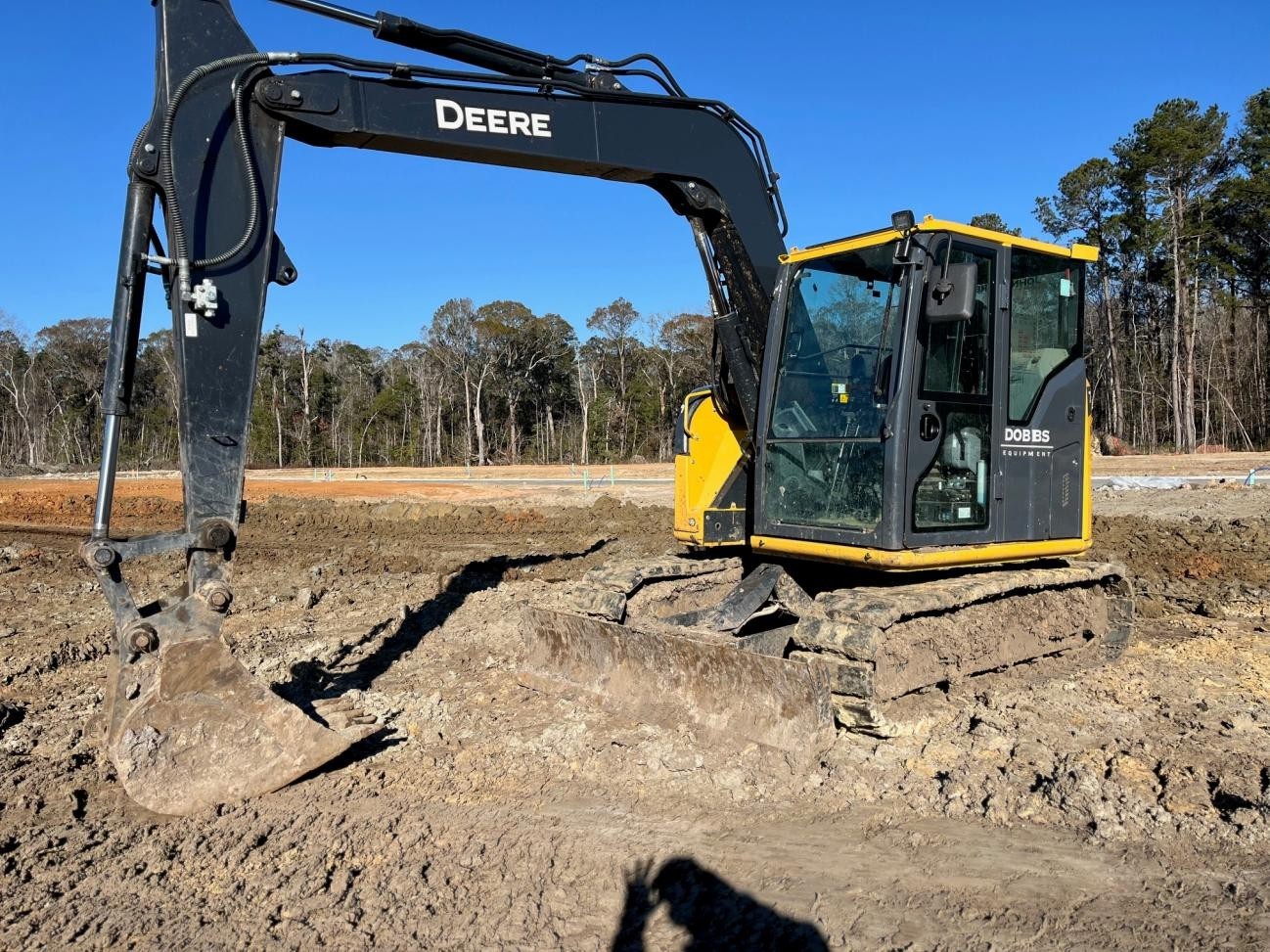
Excavation sets the stage for everything that follows. The depth of excavation depends on the type of project. Slabs, driveways, and foundations all require different depths to support their loads.
Uniform excavation matters just as much as depth. Uneven digging leads to inconsistent slab thickness, which weakens the structure. Even small variations can affect performance over time.
Digging too shallow, cutting too deep, or working on uneven ground often causes problems later. Proper excavation shows how concrete is poured so it stays level and holds its strength over time.
Installing and Compacting the Subgrade for Maximum Load Support
The subgrade is the soil layer directly beneath the concrete. If this layer stays loose, the concrete above it will move and crack.
Crews compact the subgrade using mechanical equipment that presses the soil tightly together. This removes air pockets and increases load-bearing strength. Workers often test compaction by checking firmness and consistency across the site.
Pouring concrete over poorly compacted soil almost guarantees future settlement problems. Strong concrete needs strong support underneath it.
Adding a Granular Base Layer to Improve Stability and Drainage
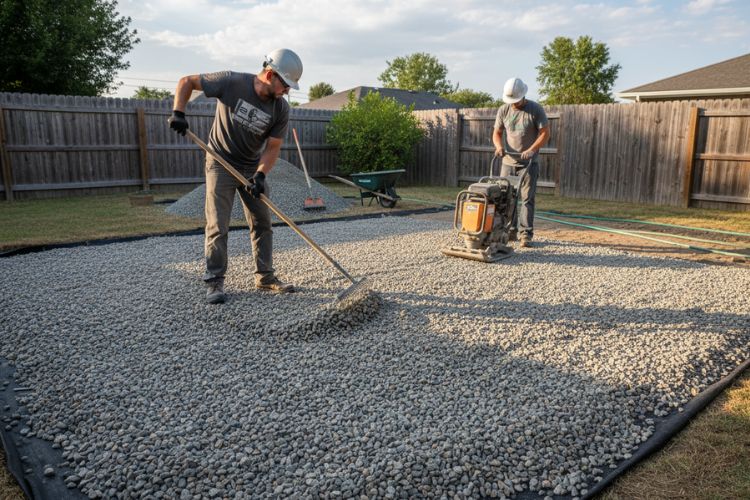
After compacting the subgrade, crews add a granular base layer, usually gravel or crushed stone. This layer improves drainage and helps distribute weight evenly.
The thickness of the base depends on the project. Light-duty slabs may need less material, while driveways and structural slabs require more. Regardless of thickness, proper leveling and compaction are critical.
A well-installed base reduces cracking and settlement. Many long-lasting concrete pours succeed because this layer does its job quietly beneath the surface.
Setting Accurate Forms to Shape and Support the Concrete Pour
Forms give concrete its shape. Contractors use wood, metal, or special form systems depending on the project size. The forms hold the concrete in place until it hardens.
The forms must be level, square, and securely braced. Even a small movement during the pour can cause uneven edges or surface problems. Proper bracing keeps everything steady and in position.
If the forms are set up poorly, the slab can become sloped or crooked. Finishing the surface also becomes harder. Careful setup makes the pour smoother and ensures a strong, durable slab.
Installing Reinforcement to Strengthen the Concrete Structure
Concrete handles compression well, but it doesn’t handle tension as easily. Reinforcement solves this problem by controlling cracking and improving strength.
Rebar, wire mesh, and fiber reinforcement are common options. Each serves a different purpose depending on load and design requirements. Placement matters just as much as material choice.
Reinforcement must sit at the correct height within the slab. A skilled concrete slab pouring contractor understands that poor placement reduces durability and shortens the life of the concrete.
Managing Moisture and Drainage Before the Pour Takes Place
Moisture control starts before the pour. Dry soil can pull water from fresh concrete too quickly, while overly wet soil weakens the base.
Vapor barriers or plastic sheeting often go beneath the slab to block moisture from rising. These barriers protect the concrete during curing and reduce long-term damage.
Good drainage around the site also prevents water intrusion after the pour. When people ask how is concrete poured to avoid future issues, moisture control is a big part of the answer.
Planning Access, Equipment, and Workflow for a Smooth Pour Day
A day goes smoothly when everything is planned ahead. Concrete trucks need clear access to the site, and the team should have clearly defined roles so that work moves efficiently. Without planning, delays can happen, and small mistakes can turn into big problems.
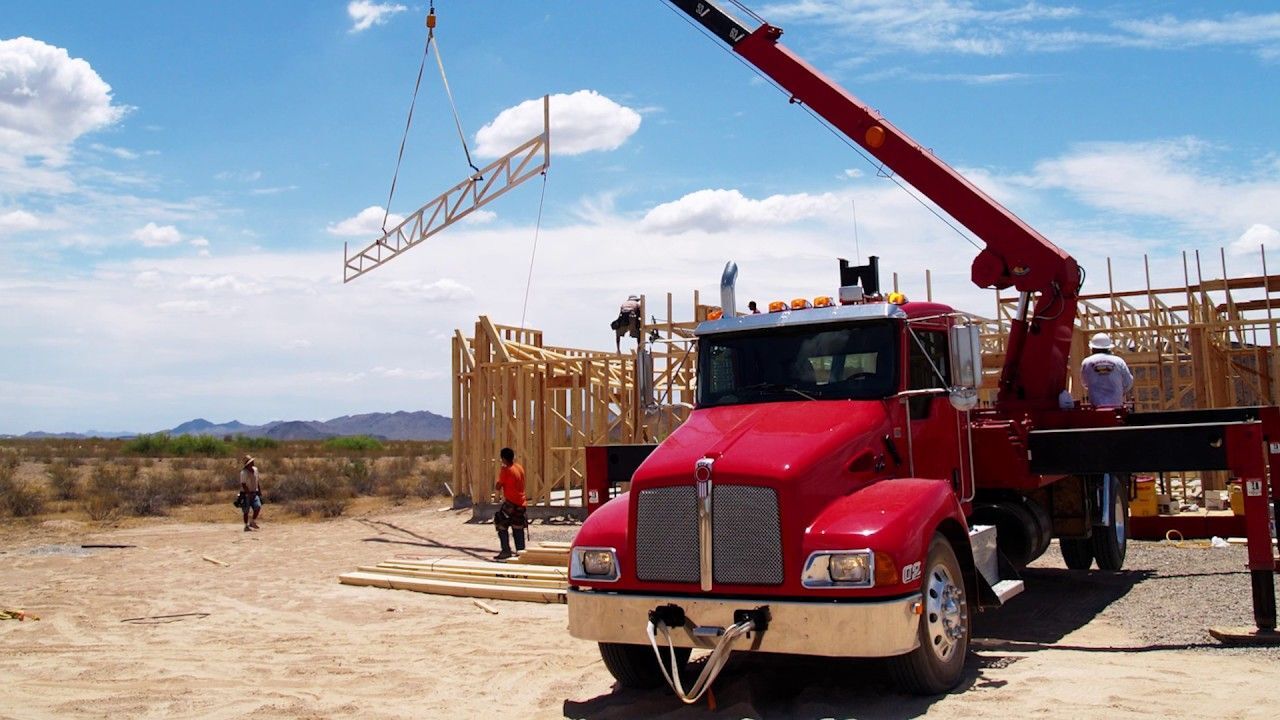
Some projects require a concrete pouring machine to reach tight spots or elevated areas. Using the right concrete pouring equipment keeps the concrete flowing consistently, making it easier to finish and reducing the risk of uneven sections.
Careful planning also improves safety on site and prevents issues like cold joints. When access, equipment, and workflow are organized in advance, the pour runs efficiently, and the final slab comes out strong, level, and durable.
Double-Checking Levels, Measurements, and Site Readiness Before Pouring
Before the concrete arrives, crews perform a final inspection. They check form alignment, reinforcement placement, elevations, and access routes.
Weather conditions also matter. Extreme heat, rain, or wind can affect curing and surface quality. Backup plans help avoid rushed decisions.
These last-minute checks catch small issues before they turn into costly mistakes. They keep the step-by-step concrete pour process on track.
How Proper Site Preparation Leads to Better Curing and Finishing?
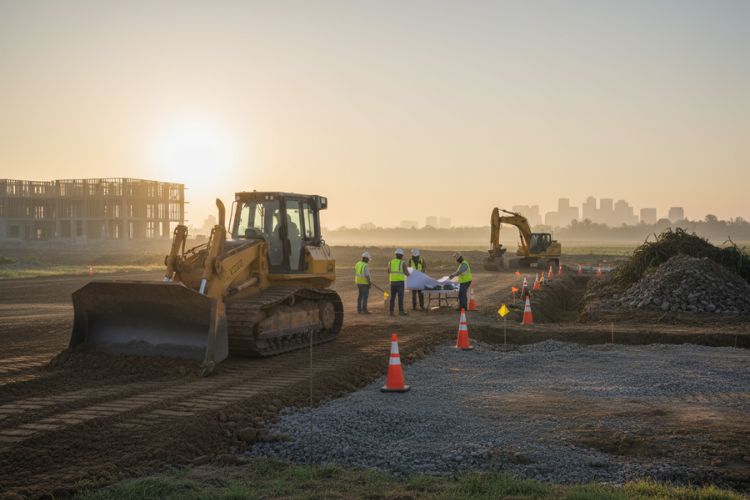
Curing and finishing start the moment the concrete is placed, but their success depends heavily on how well the site was prepared. When the ground beneath the slab is stable and evenly compacted, the concrete sets at a consistent rate. This even support helps the slab harden without internal stress.
Moisture control also plays a big role during curing. A properly prepared base keeps excess water from rising into the concrete and prevents the ground from pulling moisture out too quickly. This balance allows the concrete to gain strength gradually instead of drying unevenly.
Good site preparation also makes finishing much easier. When the slab stays level and stable, crews can focus on smoothing, edging, and surface texture instead of correcting dips or high spots. The result is a cleaner finish with fewer surface defects like cracking, scaling, or curling.
When preparation is done right, the concrete not only looks better on day one but also holds up better over time. A smooth surface, consistent strength, and long-term durability all start with the work done before the pour even begins.
Common Site Preparation Mistakes That Compromise Concrete Quality
On a concrete project, rushing the site preparation is one of the biggest mistakes. In order to save time, crews occasionally lay down an uneven base, leave weak spots in the ground, or neglect to properly compact the soil. These shortcuts make the slab weaker and can lead to cracks, sinking, or uneven surfaces later. A professional concrete pour company focuses on getting the preparation right to prevent these problems from happening.
Poor drainage planning is another major issue. When water has no clear path away from the site, it collects under the concrete and slowly breaks down the base. The concrete shifts or fails as a result of pressure, erosion, and voids caused by this trapped moisture over time. Particularly under a poorly prepared slab, water always finds the weakest spot.
Careful planning is more important for dependable, high-quality concrete pours than speed. It makes a long-lasting difference to take the time to assess the site, properly compact the ground, and control moisture. A skilled concrete pour company focuses on preparation first so the concrete performs well and holds up for years.
Conclusion
Proper site preparation sets the foundation for success. From evaluating soil to final inspections, each step protects the concrete and extends its lifespan.
Taking the time to prepare correctly saves money on repairs and replacement later. It also ensures better performance and appearance.
Whether you’re a contractor or property owner, remember this: a flawless concrete pour starts long before the concrete arrives.